News
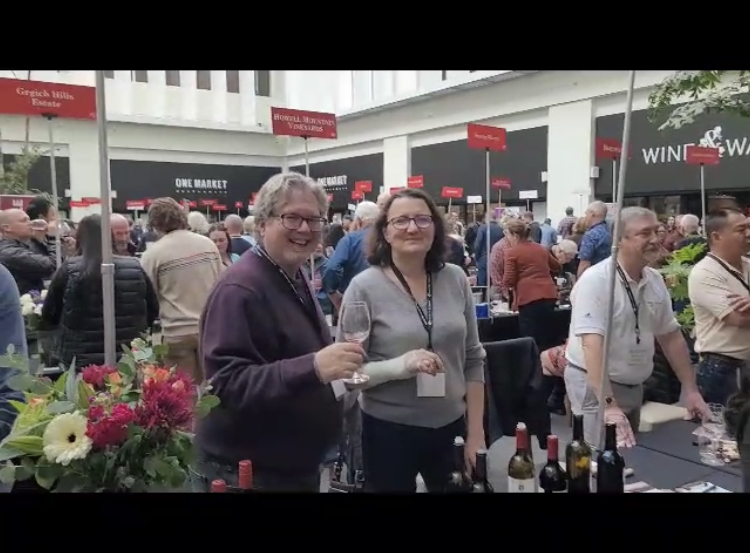
Tasting at ZAP 2024
California’s Top Zinfandels: Tasting at ZAP 2024
CLICK HERE FOR THE FULL ARTICLE
BY: VINOGRAPHY WINE BLOG
Wine Scores
At large walk-around tastings such as these, my goal is to taste widely, and as such I record only scores, not tasting notes. These wines were tasted rapidly over the course of a couple of hours. While I am quite confident about my quality judgments, knowing the circumstances under which these scores were recorded, you may consider taking the ratings with a grain of salt.
I have linked the top-scoring wines to Wine Searcher (when results are available) to facilitate searching and purchase of these wines. The prices listed were provided by the wineries, which means you can usually find these wines at retail for slightly less.
2022 Dashe Cellars “Vineyard Select” Zinfandel, California. $24
.
Best Of Alameda 2023 | Alameda Magazine

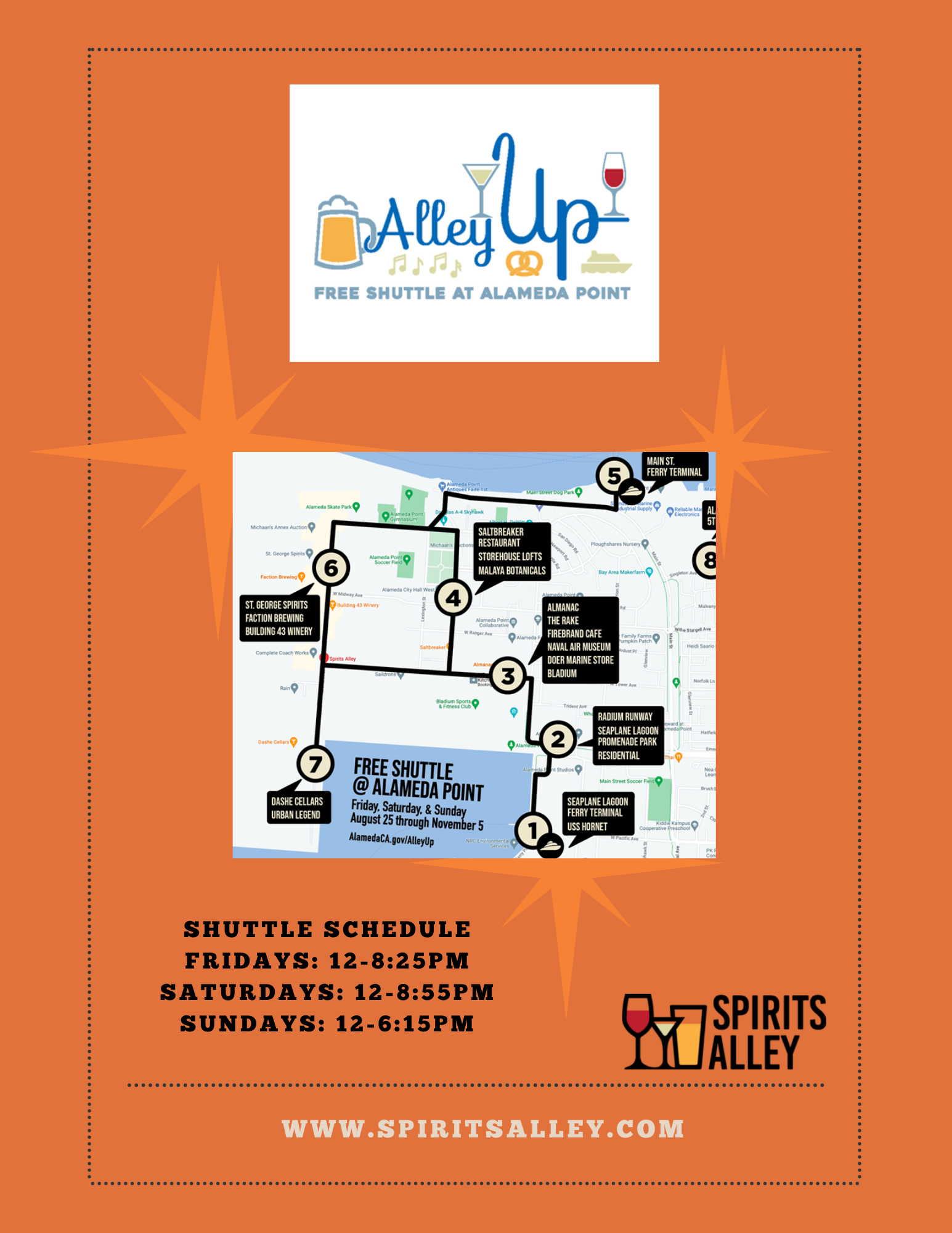
Free Spirits Alley Shuttle

Best Of East Bay 2023 | East Bay Express
Wine & Spirits Magazine | ALT ZIN
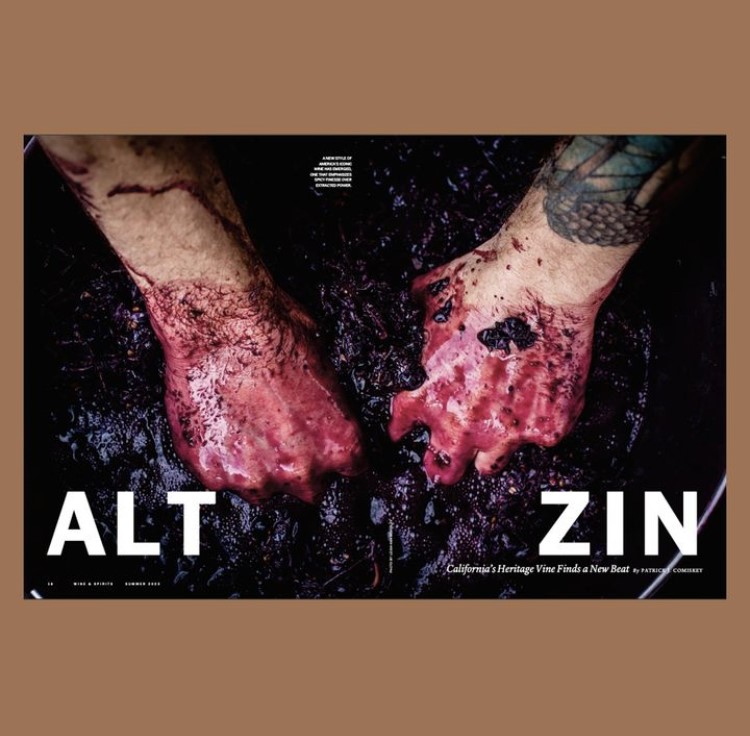
ALT ZIN: California Heritage Vine Finds a New Beat
"You really have to shake off your preconceived notions," Anne Dashe
A new style of zinfandel has emerged, one that emphasizes spicy finesse over extracted power, and it all started with the friendship between winemakers Mike & Anne Dashe and chef Mark Ellenbogen of SF's The Slanted Door.
For our summer issue, critic Patick J. Comiskey took a deep dive into the revolution in America’s iconic wine, interviewing the Dashes and Ellenbogen, as well as many of the coterie of younger winemakers now working this way.
Read Alt Zin at the link below:
BY: Patrick Comiskey
'Les Enfants Terribles' Zinfandels
In 2007, Michael and Anne started a new series of wines that they dubbed “Les Enfants Terribles,” wines that were inspired by many of the French wines that they admired, with balance, complexity, lower alcohols, and beautiful fruit aromatics and velvety textures. These easy-to-drink and expressive wines are a great complement to their lineup of classic “Signature Wines,” such as their Dry Creek Valley Zinfandel, for which they had built a reputation since the winery’s birth in 1996.
93 Points - 2018 Zinfandel, Heart Arrow Ranch 'Les Enfants Terribles'
We take this fruit from the biodynamically farmed Heart Arrow Ranch in Mendocino Co, ferment using whole clusters and uncrushed grapes, followed by aging in 900-gallon casks to create a wine that is more similar to a Beaujolais than a California Zinfandel. Soft and velvety with flavors of black cherry and strawberry.
2018 Zinfandel, Mendocino Cuvee 'Les Enfants Terribles"
The grapes for this blend came from Signal Ridge Vineyard—at over 3000 feet, the highest elevation vineyard in all of Mendocino, Napa, and Sonoma Counties. The elevation of the vineyard is so distinctive that it falls within a special appellation, the “Mendocino Ridge,” which is the only appellation in America that is designated on basis of elevation. The high elevation, steep slopes, and extremely rocky soil make the ideal growing conditions for making complex, balanced, compelling wines.
We modeled this wine after Grand Cru wines from the Beaujolais region of France. Its light red color, excellent aromatics, and silky smooth texture mark it as a more “Old World” style of wine; extremely drinkable and enjoyable on its own.
Crush Wine XP with Mike & Anne Dashe

Age-worthy wines since 1996
Join Mike & Anne Dashe for a deep dive into all things Dashe Cellars
Featured Wines:
Dashe Cellars 2018 Todd Brothers Ranch Old Vine Zinfandel,
Dashe Cellars 2018 Les Enfants Terrible Zinfandel Heart Arrow Ranch
Dashe Cellars 2018 Grenache, Clarksburg
Dashe Cellars 2018 Les Enfants Terrible Zinfandel Mendocino Cuvee
Best Of East Bay 2022| East Bay Magazine
Best of East Bay 2022 – Food & Drink
Readers’ Picks
Best Wine Label
Dashe Cellars
Get To Know Alameda Spirits Alley | Alameda Magazine

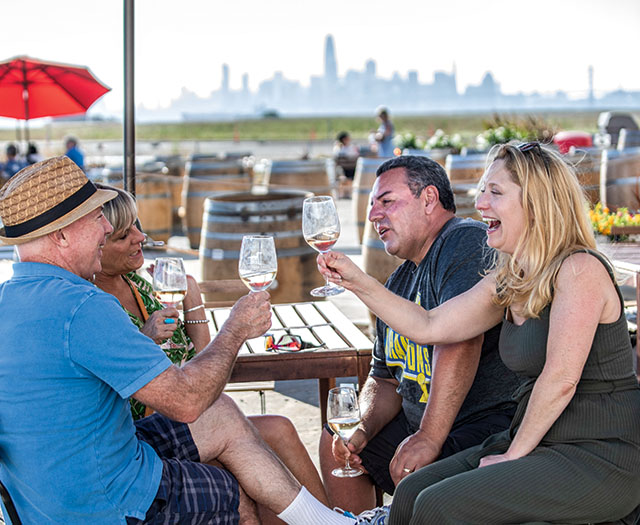 PHOTO BY LORI EANES
GLIMPSES OF SAN FRANCISCO SKYLINE GREET THOSE SIPPING AND TRIPPING AROUND FOR WINE, SPIRITS, AND BREW WITH A VIEW.
Let’s get something straight: Spirits Alley should not be conquered in one day. Unless, of course, you have copious amounts of time on your hands, a personal driver, and a liver made of steel. An eclectic cluster of artisan distilleries and tasting rooms lining Monarch Street on the former Alameda Naval Air Station, Spirits Alley is meant to be savored and is far easier to navigate in several small flights.
Click for Article
2022 NYC GRAND PORTFOLIO TASTING
Mike and Anne visited NYC for the return of the Grand Portfolio Tasting
Skurnik Wines & Spirits is an importer and distributor of fine wines and spirits headquartered in the heart of New York City. We represent a high-quality, diversified portfolio of wines and spirits from around the world. The company began with just a handful of relatively unknown estates in 1987, and has since grown to represent over 500 estates, most of which are family-owned-and-operated.
Wines to Find Podcast
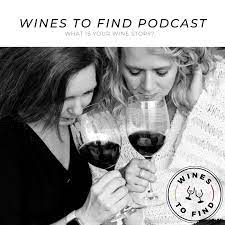
Sisters, Sandy & Michelle, are on a mission to try two new wines per week. While tasting and reviewing, they share helpful hints as well as tips and tricks to wine tasting and selection. Periodic guests spanning the spectrum of the wine world, from the hobbyist to the wine insider will bring an additional perspective by sharing their wine stories as well as their interpretation of the wine tasted. Each episode uses the Wines To Find simple method for curating wines. Taste along with us and share your thoughts on whether or not the wines featured are Wines To Find.
Wines: Dashe Cellars Todd Brothers Ranch Old Vine Zinfandel, 2018 and Les Enfants Terrible Zinfandel, 2018
Guest: Anne Dashe
Archived News
Holiday Gift Shop
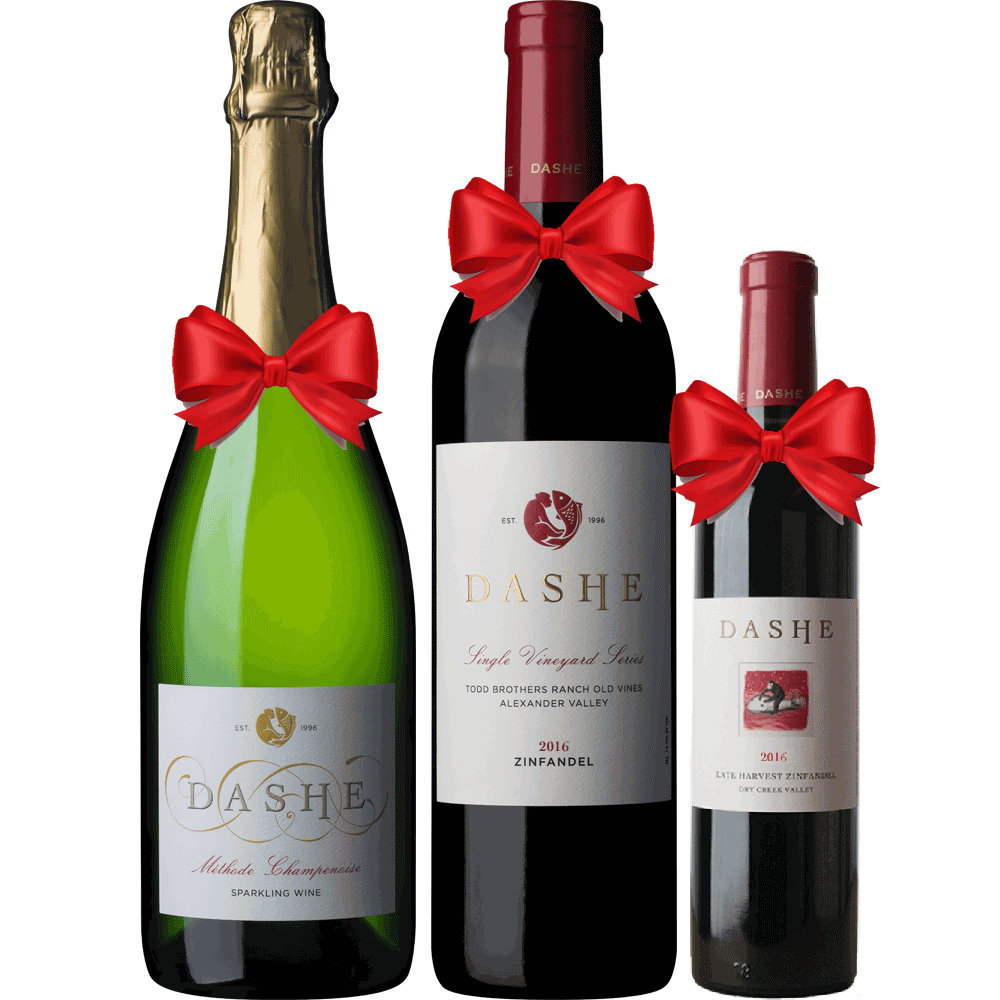
Click Here to Explore our Holiday Gift Shop
Give a gift that will make a lasting impression! Dashe Cellars is helping to make your holiday shopping fast and easy. Beautiful gift boxes; superb pre-selected wine sets…..and this year we’re offering
Complimentary Ground Shipping
AND
Complimentary Black Satin Finish Gift Packaging
on all sets in our Holiday Shop.